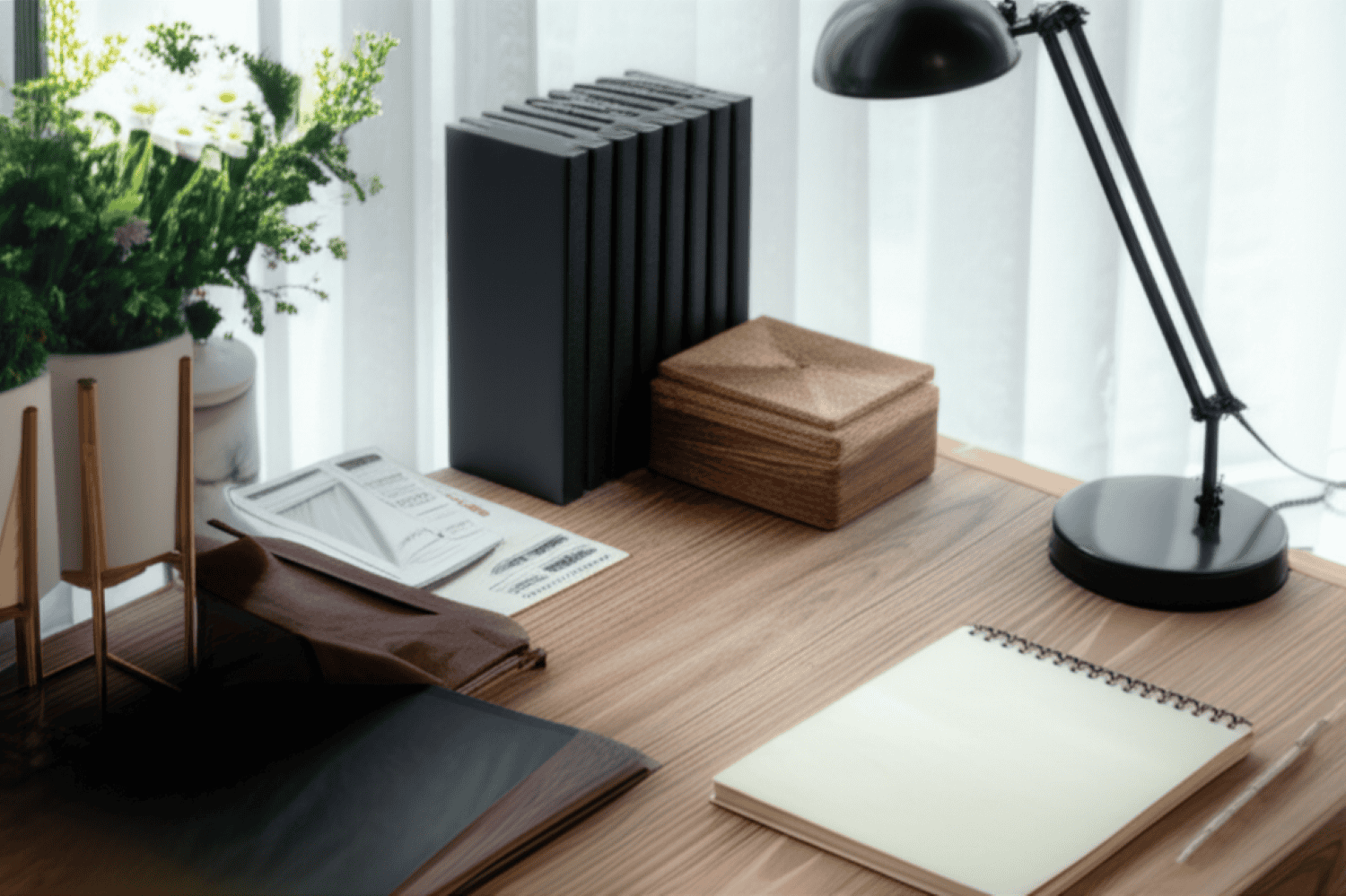
Blending contemporary and traditional design elements offers businesses in Hua Hin an opportunity to create spaces that feel both distinctive and culturally grounded. When executed well, this balance can strengthen brand identity and enhance customer experience. However, many projects struggle to achieve cohesion, often due to misunderstandings about how modern and traditional elements should interact. Recognizing these pitfalls is especially important when evaluating the role of interior design service hua hin within commercial environments.
Rather than being purely aesthetic, successful interior design in Hua Hin requires cultural awareness, technical judgment, and a clear understanding of how spaces are actually used in daily business operations.
A common mistake is treating traditional design features as decorative accents instead of meaningful components of spatial storytelling. In Hua Hin, traditional materials, patterns, and craftsmanship carry historical and cultural significance. When these elements are applied superficially, interiors often feel fragmented rather than intentional.
Effective integration requires traditional features to support contemporary functions. For example, locally sourced hardwood or woven textures can be paired with minimalist forms to anchor modern layouts in regional identity without overwhelming the space.
Another frequent issue is excessive mixing of design languages. While the intention may be to showcase variety, combining too many patterns, colors, or textures often leads to visual noise and diluted brand expression.
Experienced designers typically establish a clear hierarchy between modern and traditional elements. Instead of competing for attention, each component plays a defined role within the overall composition. This principle is commonly applied within interior design service hua hin projects that aim to balance cultural richness with commercial clarity.
Design concepts that look compelling on paper can fail in practice if functional requirements are overlooked. Traditional screens may obstruct circulation or light, while contemporary furniture selected purely for appearance may lack durability in commercial settings.
Successful interior environments consider customer flow, staff ergonomics, and long-term maintenance from the outset. In Hua Hin’s hospitality and retail sectors, design decisions that ignore these factors often result in higher operational costs and reduced customer comfort.
Some businesses attempt to merge contemporary and traditional styles without sufficient expertise, assuming that visual inspiration alone is enough. In reality, successful integration requires knowledge of material behavior, construction methods, and local craftsmanship.
This is where interior design service hua hin plays a technical rather than promotional role helping align design intent with execution constraints. Proper planning ensures that materials, proportions, and lighting work together cohesively rather than competing for attention.
Avoiding common pitfalls is less about following trends and more about understanding how spaces function culturally and operationally. Effective interiors balance storytelling, usability, and durability especially in environments where climate and tourism patterns influence wear and expectations.
Design projects that succeed over time typically share a clear intent, controlled material choices, and respect for both traditional and modern design principles. Examining past projects through the lens of interior design service hua hin reveals that the most enduring spaces are those shaped by judgment rather than decoration.
By approaching interior design as a process of integration rather than contrast, businesses in Hua Hin can create environments that feel authentic, functional, and commercially resilient.